
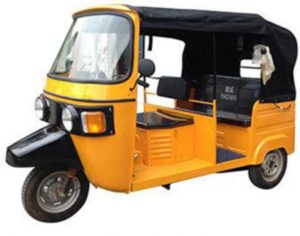
Transportation entrepreneurship has undergone a fascinating evolution, especially in regions where tricycles, locally known as “kekes,” dominate the streets. But what’s the secret to turning a simple keke into a lucrative source of income? Let’s delve into the strategies and secrets that can transform your humble keke into a cash-generating machine for transport entrepreneurs.
Table of Contents
| Sr# | Headings |
|---|---|
| 1. | Understanding the Keke Business Model |
| 2. | Identifying Lucrative Routes and Peak Hours |
| 3. | Optimizing Maintenance for Cost Efficiency |
| 4. | Leveraging Technology for Enhanced Operations |
| 5. | Branding and Differentiation Strategies |
| 6. | Customer Service Excellence: The Key to Success |
| 7. | Financial Management Tips for Sustainable Growth |
| 8. | Scaling Up: Expanding Your Fleet |
| 9. | Navigating Regulatory Challenges |
| 10. | Community Engagement: Building Trust and Loyalty |
| 11. | Embracing Sustainability in Transportation |
| 12. | Investing in Driver Training and Development |
| 13. | Diversification: Exploring Additional Revenue Streams |
| 14. | Networking and Collaboration in the Transport Sector |
| 15. | Conclusion: Driving Towards Success |
1. Understanding the Keke Business Model
Keke transport operates on a simple yet effective model – providing affordable and accessible transportation to commuters within urban and peri-urban areas. Entrepreneurs purchase kekes and hire drivers to operate them, earning revenue through fares. Understanding this model is crucial for maximizing profitability.
2. Identifying Lucrative Routes and Peak Hours
Not all routes are created equal. Conduct thorough research to identify Hire-traffic routes and peak hours when demand surges. By focusing on these routes and times, you can optimize your earnings and minimize idle time.
3. Optimizing Maintenance for Cost Efficiency
Regular maintenance is key to ensuring the longevity of your kekes and minimizing downtime. Establishing a maintenance schedule and promptly addressing issues can save you significant costs in the long run.
4. Leveraging Technology for Enhanced Operations
Incorporating technology such as GPS tracking and mobile payment systems can streamline operations and improve efficiency. These tools not only enhance the customer experience but also provide valuable data for optimizing routes and schedules.
5. Branding and Differentiation Strategies
Standing out in a crowded market is essential for success. Invest in branding efforts to create a distinctive identity for your keke fleet. Whether it’s through vehicle design, uniforms, or customer service, differentiation can attract and retain customers.
6. Customer Service Excellence: The Key to Success
Happy customers are loyal customers. Train your drivers to provide exceptional customer service, from greeting passengers with a smile to ensuring a safe and comfortable ride. Building a reputation for reliability and friendliness can set you apart from the competition.
7. Financial Management Tips for Sustainable Growth
Managing finances effectively is critical for long-term success. Keep track of expenses, monitor revenue streams, and budget wisely to ensure sustainable growth. Consider consulting with a financial advisor to optimize your financial strategy.
8. Scaling Up: Expanding Your Fleet
As your business grows, consider expanding your fleet to meet increasing demand. However, expansion should be strategic and based on thorough market analysis to avoid overextending your resources.
9. Navigating Regulatory Challenges
Transportation regulations vary by region and can pose challenges for entrepreneurs. Stay informed about local regulations and ensure compliance to avoid fines or legal issues that could jeopardize your business.
10. Community Engagement: Building Trust and Loyalty
Engaging with the community can foster trust and loyalty among customers. Participate in local events, support community initiatives, and solicit feedback to demonstrate your commitment to serving the community’s needs.
11. Embracing Sustainability in Transportation
With growing concerns about environmental sustainability, integrating eco-friendly practices into your operations can attract environmentally conscious customers and reduce your carbon footprint. Consider investing in electric or hybrid kekes and implementing fuel-efficient driving techniques.
12. Investing in Driver Training and Development
Your drivers are the face of your business, so investing in their training and development is essential. Provide ongoing training on safe driving practices, customer service skills, and maintenance procedures to ensure they deliver the best possible experience to passengers.
13. Diversification: Exploring Additional Revenue Streams
Diversifying your revenue streams can provide stability and resilience against market fluctuations. Consider offering related services such as parcel delivery or advertising on your kekes to supplement fare revenue.
14. Networking and Collaboration in the Transport Sector
Networking with other players in the transport sector can open up opportunities for collaboration and mutual support. Whether it’s sharing resources, exchanging information, or forming partnerships, collaboration can benefit all parties involved.
15. Conclusion: Driving Towards Success
In conclusion, the journey from keke to cash is paved with strategic planning, continuous improvement, and a customer-centric approach. By implementing the secrets and strategies outlined in this article, transport entrepreneurs can steer their businesses towards success and profitability.
FAQs (Frequently Asked Questions)
1. How can I increase the profitability of my keke business? To increase profitability, focus on identifying lucrative routes, optimizing maintenance, providing excellent customer service, and exploring additional revenue streams.
2. What should I consider when expanding my keke fleet? When expanding your fleet, consider factors such as market demand, financial feasibility, and regulatory compliance to ensure sustainable growth.
3. How can I stay compliant with transportation regulations? Stay informed about local regulations, obtain necessary permits and licenses, and regularly monitor for updates or changes to ensure compliance with transportation regulations.
4. What role does technology play in the keke business? Technology can enhance operations by providing tools for route optimization, GPS tracking, mobile payments, and data analysis, improving efficiency and customer experience.
5. How important is community engagement for a keke business? Community engagement is crucial for building trust, loyalty, and a positive reputation. Participate in local events, support community initiatives, and solicit feedback to foster strong relationships with customers.
Leave a comment